Expert Tire Maintenance: Get Back on the Road Safely and Quickly
Professional tire maintenance hold an important position in preserving vehicle wellbeing and performance. Qualified specialists execute meticulous inspections to spot multiple tire issues. From leaks to alignment concerns, all matters demand meticulous review. Recognizing when to consult professional assistance can prevent subsequent problems. As drivers face these obstacles, they could think about the finest restoration solutions and upkeep approaches. Delving into these subjects can produce thoughtful choices and safer adventures to come.
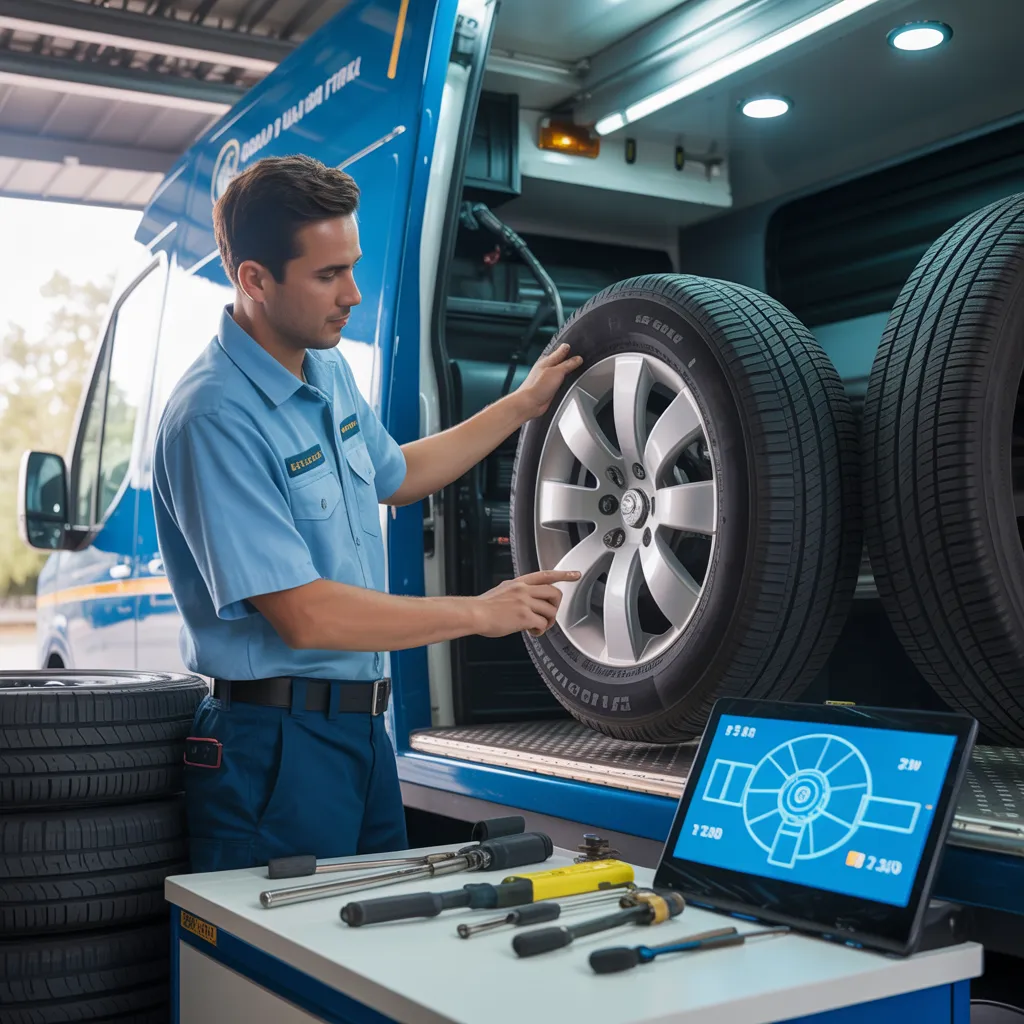
Common Tire Issues to Understand
When drivers ignore their tires, they may encounter several common issues that can undermine safety and performance. One frequent occurrence is underinflation, which can result in increased tire wear and decreased fuel efficiency. Over time, this can result in the tires to overheat, raising the risk of a blowout. Another common problem is tread wear, which impacts traction and handling, particularly in wet conditions. Uneven wear may indicate alignment or suspension issues, requiring further inspection. Additionally, drivers may experience punctures or sidewall damage from road hazards, leading to slow leaks or complete tire failure. Regular tire rotations, inspections, and proper inflation are vital for preventing these issues. Finally, environmental conditions can also add to tire degradation, making it essential for drivers to monitor their tire health. By identifying these common problems, drivers can enhance their safety on the road.
Identifying When Your Tires Require Maintenance: How to Figure Out?
constant necessity for topping up also indicates that maintenance may be necessary.
Motorists should carefully watch handling and performance changes, such as vibrations or pulling to one side, which could signal tire imbalances or internal damage. Lastly, regularly assessing how deep the tread is is imperative; tires with sections of wear weaken traction. By observing these signs, drivers can assure timely repairs, enhancing both safety and vehicle lifespan. Quickly addressing these issues not only avoids potential accidents but also cuts more costly repairs later.
A Guide to Learning About the Tire Maintenance Workflow
The tire repair routine usually consists of several vital actions to guarantee safety and quality. Initially, a technician examines the tire for visible damage and assesses its overall condition. This examination helps determine whether the tire can be repaired or requires replacement. After the inspection, the technician might remove the tire from the wheel to identify punctures or internal damage.
Once any problems are found, the specialist cleans the affected section and prepares it for repair. This may involve applying a seal or plug, depending on the nature and position of the harm. After the repair is completed, the tyre is remounted and properly filled to the manufacturer's requirements.
Finally, a quality check confirms that the restoration meets safety requirements. Throughout the process, repair specialists prioritize communication, informing the client of findings and suggestions. This systematic method guarantees a reliable repair, allowing motorists to return to the road with assurance.
DIY Tire Fixes vs. Professional Help
Upon understanding the tire repair procedure, many drivers may explore the facts think about whether to manage repairs by themselves or get professional assistance. DIY tire repairs can be attractive, notably for those with basic mechanical expertise and tools. Easy punctures can often be mended using repair kits available at auto retail stores, reducing both effort and expenses. However, this strategy involves risks if proper procedures are not applied, potentially creating further damage or safety hazards.
Conversely, professional tire repair services provide expertise and advanced tools. Trained technicians can properly evaluate tire damage, guaranteeing repairs are effective and safe. They can also detect hidden problems that a do-it-yourself method might overlook. In the end, the choice between DIY repairs and professional help depends on the driver's self-assurance, background, and how serious the tire damage is. Making an informed decision is crucial for maintaining safety while driving.
Tips for Locating the Perfect Tire Repair Service
What steps can drivers take to ensure they choose the top-rated tire maintenance service? First, they should investigate nearby options, paying attention to customer reviews and ratings. This information delivers insight into the quality of service and trustworthiness of various shops. Next, checking for certifications and connections with recognized automotive organizations can indicate professionalism and expertise.
Also, motorists should question the service offerings available, making certain the establishment can manage their specific tire problems. Transparent pricing practices is also essential; dependable facilities supply transparent quotations without concealed fees.
Furthermore, assessing the shop's coverage terms on maintenance can provide confidence. Finally, accessibility matters—location near your residence or office, as well as available hours, can affect the decision. By considering these factors, vehicle owners can confidently choose a tire repair service that meets their requirements successfully.
Advantages of Ongoing Tire Maintenance
Regular tire maintenance offers many benefits that extend the life span and functionality of tires. By routinely checking tire pressure, tread depth, and general state, vehicle owners can ensure ideal traction and handling. Proper inflation reduces wear, enhancing fuel efficiency and reducing costs at the pump. In addition, regular inspections can help detect problems such as uneven wear or harm, enabling for timely repairs that avoid greater issues down the road.
Properly maintaining your tires further raises safety by cutting down the risk of punctures or accidents from lack of tread. Furthermore, a well-serviced set of tires offers a smoother ride, enhancing comfort for both driver and passengers. Spending time on regular tire maintenance allows individuals to gain the value of their investment, guaranteeing reliable performance and peace of mind while driving. In conclusion, regular tire maintenance is a vital part of responsible vehicle ownership.
Advice on Preventing Future Tire Problems
Implementing a preventative method to tire care can substantially minimize the probability of future complications. Regularly monitoring tire pressure is crucial; insufficient pressure can result in premature wear and reduced fuel efficiency. It is prudent to check tires for visible damage, such as cuts or bulges, which may indicate structural defects. Rotating tires every 5,000 to 8,000 miles helps guarantee consistent wear, boosting their lifespan.
Additionally, keeping correct alignment and balance is important to prevent uneven tread wear. Drivers should also monitor tread depth, using the penny test as a simple method; if Lincoln's head is visible, it's time for a replacement. Finally, avoiding overloading the vehicle can reduce excessive strain on tires. By implementing these strategies, vehicle owners can enhance tire longevity and support a safer driving experience.

Often Sought Questions
What duration is needed for a regular tire repair?
A routine tire restoration generally takes around 30 minutes to an hour contingent on the degree of damage and the exact repair needed. Aspects like technician readiness and shop workload can also determine the length of time.
Are All Wheel Varieties Repairable?
Certain tire types are beyond repair. Generally speaking, punctures within the tread area in passenger tires might be fixable, though sidewall damage, substantial wear, or tires featuring multiple previous repairs typically require replacement to ensure safety.
What Amount Should You Anticipate to Spend for Tire Repairs?
The charge for tire repairs commonly falls between $10 to $30, influenced by the level of damage and placement. Key variables like tire category and your chosen provider can modify the ultimate bill, resulting in variability.
Is Tire Service Included in Insurance?
Tire damage coverage varies depending on which insurance policy you have. Certain plans include roadside assistance or repair costs, while others exclude these services. It's essential for individuals to examine their individual policy details to understand their protection regarding tire repairs.
How Can I Extend the Life Span of My Tire?
To maximize a tire's lifespan, regular maintenance is necessary. This entails maintaining proper tire pressure, rotating tires frequently, ensuring proper alignment, avoiding overloading, and tracking tread wear for signs of wear or damage.